Primary focus
- Industrial Configuration
- Solids passage, abrasion, and maintenance access
- Sanitary Configuration
- Product handling, cleanability, finish, and project documentation
Review sanitary rotary lobe pump configurations for clean-process transfer. Match the wetted materials, surface finish, seals, and connections to your product, cleaning cycle, and documentation requirements.
YANESS supplies industrial rotary lobe pumps and sanitary configurations for food, beverage, pharmaceutical, and other clean-process projects. The configuration is reviewed against the product, installation, and cleaning requirements.
Industrial duties often prioritise solids handling, abrasion resistance, and service access. Sanitary duties add requirements for product-contact geometry, finish, cleaning access, and documentation. Stainless materials or hygienic connections alone do not establish the complete package specification.
Review the complete product-contact path: housing, rotor clearances, seal areas, joints, and ports. Cleaning coverage and drainability depend on this geometry as well as the cleaning cycle and installation orientation.
| Review Area | Industrial Configuration | Sanitary Configuration |
|---|---|---|
| Primary focus | Solids passage, abrasion, and maintenance access | Product handling, cleanability, finish, and project documentation |
| Housing | Service features and replaceable wear protection where specified | Product-contact geometry reviewed for residue retention, cleaning access, and drainability |
| Connections | Industrial flanged connections | Tri-Clamp or other hygienic connection standards when specified |
| Drive and separation | Optional integrated reduction or external drive arrangement | Review wet-end separation and seal layout alongside installation and cleaning requirements |
For industrial drive and shaft-support options, see Structural Design →
Polished solid metal rotors are commonly reviewed for sanitary configurations. Confirm the alloy and surface finish together with the seals, O-rings, and cleaning conditions.
Elastomer-coated rotors remain an option for industrial solids-bearing duties. Cleaning compatibility depends on the actual compound and cycle; NBR, EPDM, and FPM should not be treated as interchangeable.
Review rotor profile selection alongside material choice when solids, product sensitivity, or pulsation affect the process.
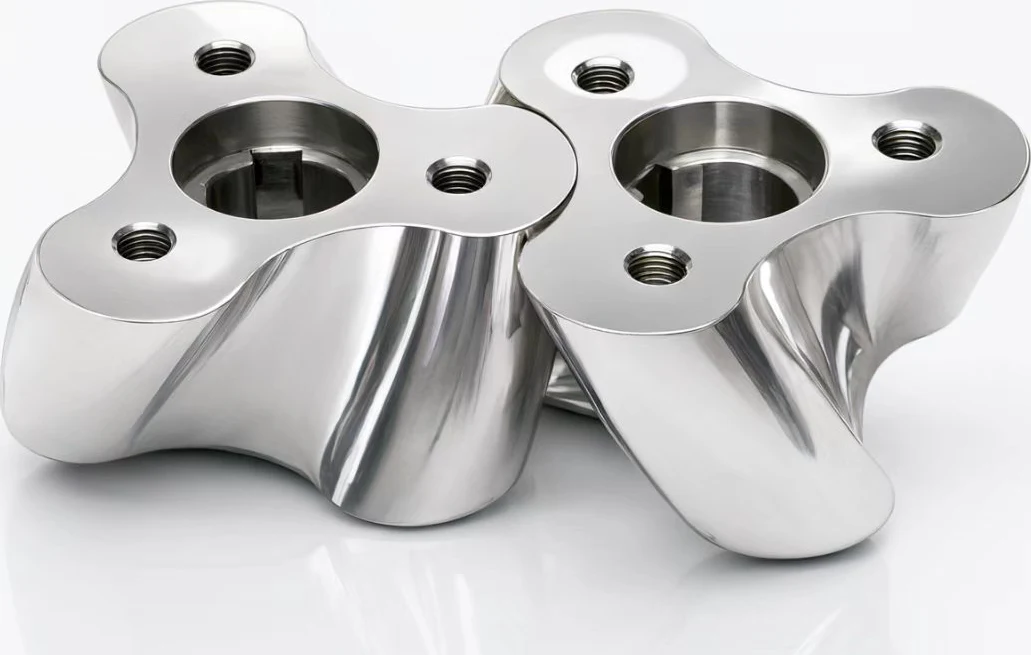
A metal rotor option for sanitary configuration review. Specify the required surface finish and check the complete wet end against the cleaning and sterilization conditions.
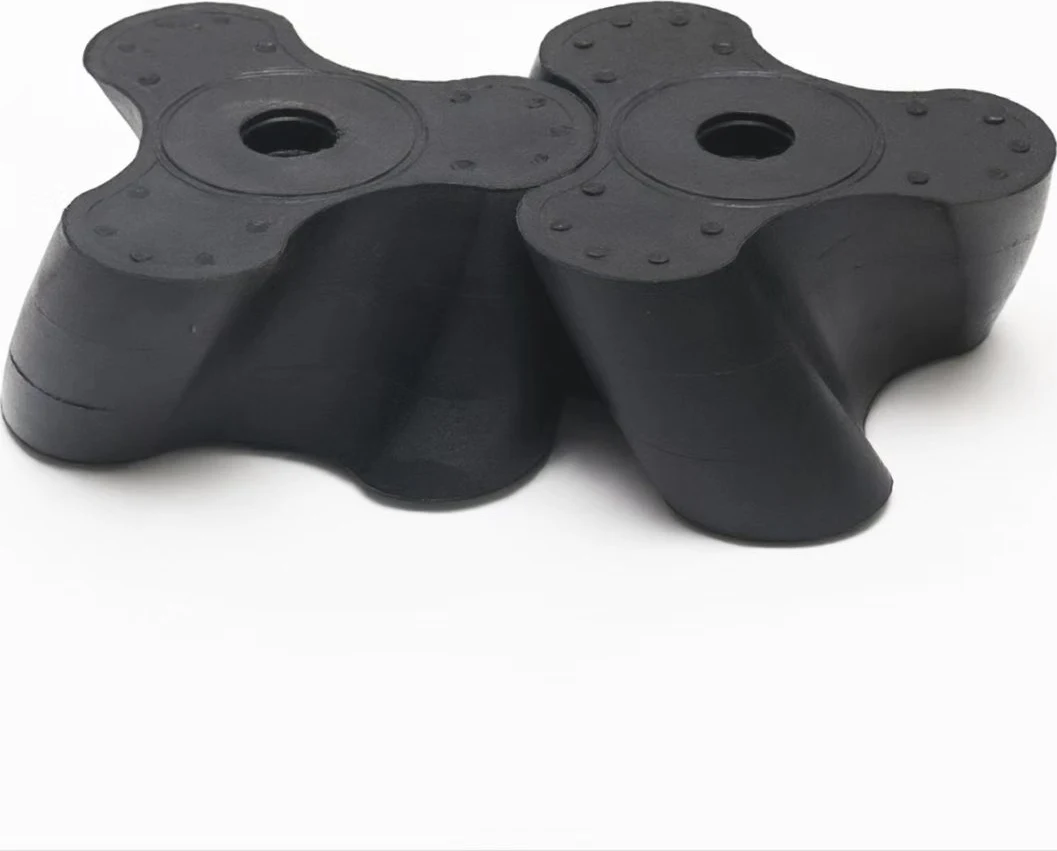
A coated rotor option for industrial sludge, oil, and solids-bearing transfer. Confirm the compound against the process fluid and cleaning chemicals, temperatures, and exposure time.
Compare elastomers, casing alloys, and seal faces in the Materials Guide →
Cleaning in place (CIP) and sterilization in place (SIP) are separate project requirements. Confirm each requested cycle for the selected pump configuration; a stainless rotor or specified surface roughness does not establish cleaning or sterilization performance on its own.
Specify the cleaning fluid, concentration, temperature, circulation flow, duration, and frequency. Review cleaning coverage, seals, and drainability for the installed orientation.
For steam cycles, specify temperature, pressure, exposure time, and heating and cooling conditions. Confirm compatibility of the complete assembly, including seals and O-rings.
Include the cleaning operating point in sizing. Thin cleaning fluids can produce different slip and delivered flow from the process product. Cleaning or sterilization acceptance should follow the project procedure and required evidence.
Use the rotary lobe pump selection guide to prepare both process and cleaning duty points for review.
Share the process and cleaning information together so the configuration review covers both transfer and cleaning duty.
Incomplete information is welcome. Note which requirements are still being defined so engineering can clarify the next steps.
Request pump sizing, compare wetted materials, or prepare the operating data.
Share the process fluid, duty point, cleaning cycle, finish, connections, and required documentation.
Compare rotor, elastomer, O-ring, casing, and seal-face options for process and cleaning exposure.
Organise flow, pressure, viscosity, temperature, suction conditions, and the operating cycle.