Materials
- Elastomer-Coated Rotor
- NBR, EPDM, FPM / Viton over ductile iron core
- Metal Rotor
- SS304, SS316L, duplex stainless, copper
Match the rotor, casing, wear liners, and seals to the fluid and operating conditions. Compare material options below, then confirm the combination against chemistry, temperature, solids, and cleaning requirements.
YANESS industrial builds commonly use vulcanized rubber-coated rotors to cushion grit and soft solids. Select the elastomer compound for the fluid and temperature; the pump clearances maintain non-contact operation.
Review metal rotors when elastomer swelling, temperature, or product requirements rule out a coated build. Confirm the alloy, surface finish, and cleaning method for the application.
When cleaning expectations drive the wet-end choice, see Sanitary Lobe Pump.

| Selection Factor | Elastomer-Coated Rotor | Metal Rotor |
|---|---|---|
| Materials | NBR, EPDM, FPM / Viton over ductile iron core | SS304, SS316L, duplex stainless, copper |
| Solids handling | Cushions grit and soft solids on many dirty duties | No elastomer buffer — abrasive solids may score metal faces |
| Chemical limits | Depends on elastomer type — verify swelling and degradation | No elastomer swelling — still confirm alloy or copper vs chemistry |
| Temperature | Confirm the compound rating at the operating and cleaning temperatures | Confirm the alloy, seal, and complete assembly temperature ratings |
| Cleanability | Confirm compound compatibility with cleaning chemicals and cycle temperatures | Review surface finish, seals, and cleaning access; metal alone does not establish hygienic suitability |
| Typical duties | Wastewater, sludge, crude oil, mining slurry, food-grade oils | Solvents, hot chemical transfer, selected clean-process duties with reviewed cleaning expectations |
Material and lobe shape are separate selection factors. Compare rotor profiles and design tradeoffs alongside the material choice.
Elastomer swelling or thermal damage is a common cause of rotor lockup. Confirm fluid chemistry, temperature, cleaning agents, and exposure time before selecting the compound.
Use the Selection Guide to organize duty-point inputs after the material screen.
| Elastomer | Candidate Duties | Check Carefully | Typical Use |
|---|---|---|---|
| NBR | Selected water-based media and petroleum oils, depending on compound | Ozone, strong acids, and steam cleaning | Wastewater, sludge, and selected oil transfer |
| EPDM | Water-based duties and selected dilute-acid or alkaline cleaning solutions | Petroleum oils and hydrocarbon fuels; verify concentration and temperature for chemicals | Chemical wastewater and reviewed cleaning loops |
| FPM / Viton | Selected oils, fuels, and hydrocarbon duties | Ketones, amines, steam, and other solvents require compound-specific checks | Crude oil, fuels, and selected chemical transfer |
| PU | Abrasion-heavy slurry where the formulation matches the fluid | Water exposure, temperature, and solvent resistance vary by formulation | Selected mining and abrasive sludge duties |
The casing contains process pressure; replaceable liners and wear plates protect exposed surfaces from abrasion. Review both alongside rotor and seal materials.
Ductile iron is a practical casing route for municipal wastewater, non-corrosive sludge, and many clean oil transfers.
SS304, SS316, or duplex stainless are options to review for corrosive streams; the alloy designation alone does not establish chemical suitability.
On abrasive duty, plan inspection and spare wear liners or axial wear plates rather than treating a higher casing grade as a complete wear solution.
See the rotary lobe pump structural design for the component layout, isolation chamber, and shaft-support options.
For replaceable liners, wear plates, and related spares, see Parts & Wear Components.
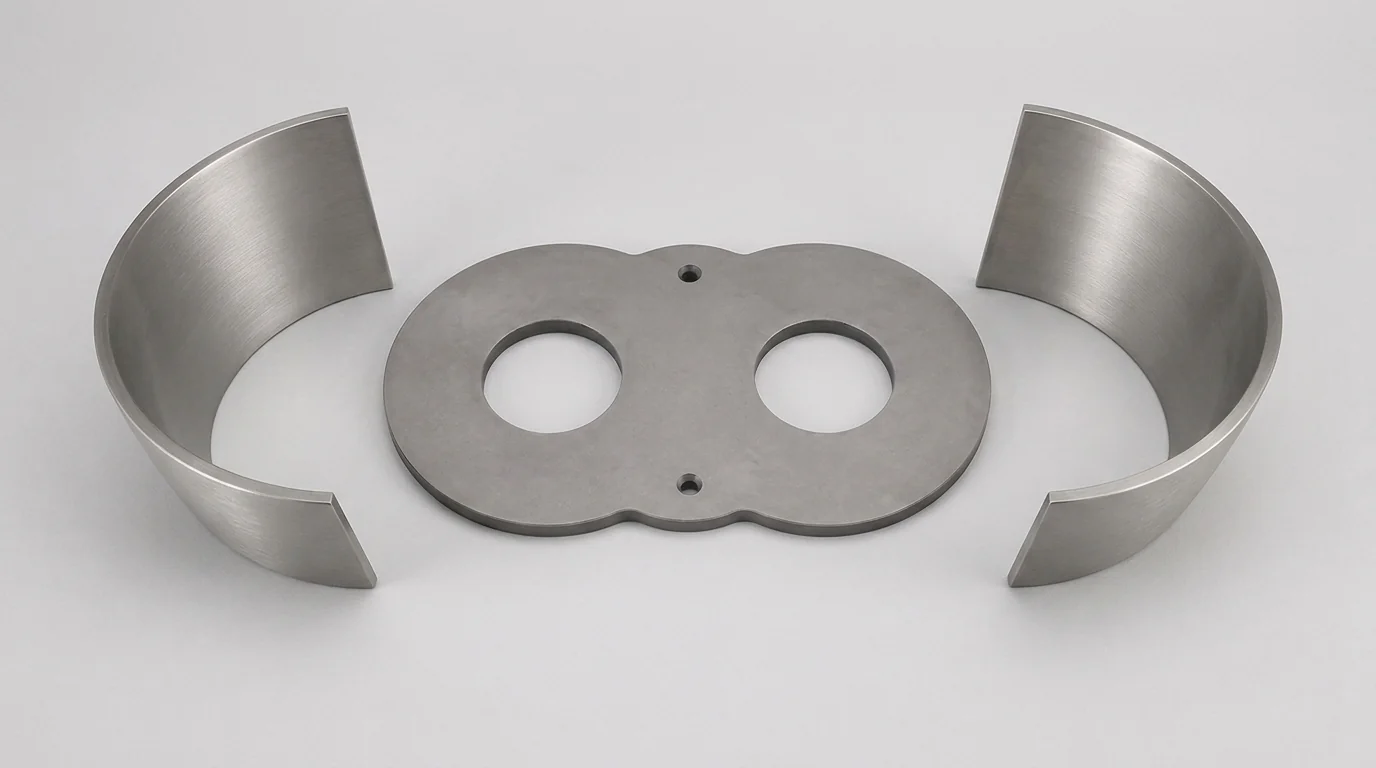
Seal faces and secondary O-rings must match fluid chemistry, solids, temperature, and any expected dry exposure. YANESS commonly uses field-repairable non-cartridge single mechanical seals, so faces and O-rings can be reviewed or replaced without scrapping a full cartridge housing.
On rebuild, check dynamic O-rings for swelling, thermal scuffing, or chemical attack. Wrong O-ring material in solvent, fuel, or hot cleaning duty can lock the seal seat and cause leakage. Do not assume the rotor covering and seal O-ring use the same compound.
| Item | Common route | When to review |
|---|---|---|
| SiC / SiC | Hard-face pair for many wastewater and sludge duties | Solids load, chemistry, and expected dry exposure |
| WC / WC | Hard-face pair for heavy grit service | Highly abrasive slurry, drilling mud, impact/grit load |
| Elastomer O-rings | FPM / Viton, EPDM, or other elastomer matched to media | Solvent, fuel, hot cleaning, temperature, and swell risk |
If empty running or tank emptying is expected, also review Dry-Run Capability — review seal cooling, oil support, and the exposure limit for the selected configuration.
Share the fluid composition, concentration, operating and cleaning temperatures, and any signs of swelling or corrosion.