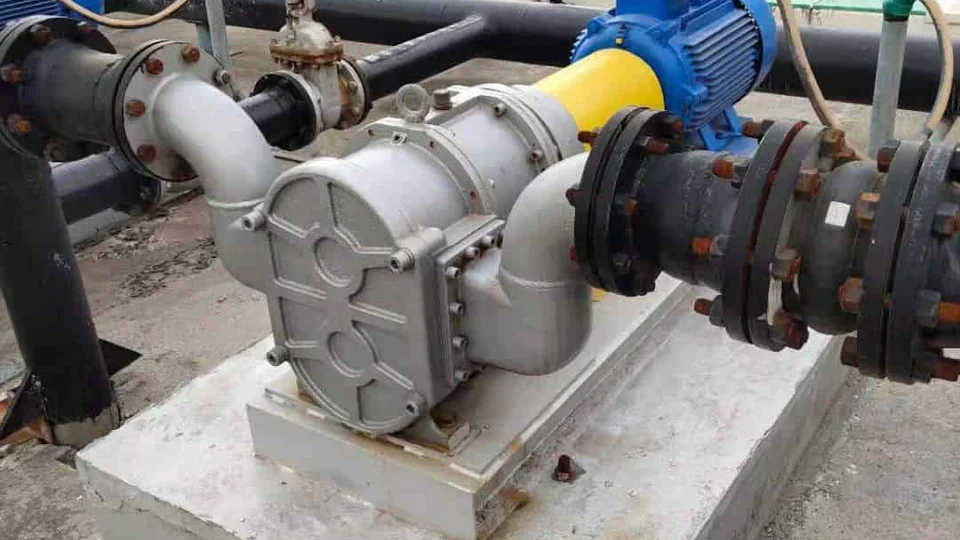
A tank may still be warm while the oil in an exposed pipe has cooled through a long stop. When the pump trips on restart, the tank temperature alone does not describe what the pump is trying to move.
For crude oil, the questions go beyond a warm and a cold viscosity number. The particular sample, cooling history, wax behavior, and any water or solids also matter. The purpose of this review is to establish the conditions the equipment must handle, without assuming one rule applies to every crude.
| Check | Information to provide |
|---|---|
| Oil sample | Sample or batch identity, available composition, water and solids content, and any chemical treatment. |
| Cold state | Longest shutdown and expected oil temperatures at the tank, pump, and exposed pipe sections. |
| Test evidence | Viscosity or rheology reports, sample preparation and cooling conditions, and wax or pour-point results if available. |
| Installation | Inlet and outlet routes, elevations, inside diameters, heating arrangements, drive details, and approved pressure limits. |
Identify measured values, estimates, and missing data separately. A reported pour point is not, by itself, an approved restart temperature.
1. Use Data for the Actual Crude and Its Cooling History
Cooling commonly increases liquid viscosity, but crude oils do not share a universal viscosity curve. Waxy crudes may develop crystals and a gel structure as they cool. Do not treat all crudes as shear-thinning, assign a fixed temperature at which they flow easily, or assume the same change for another batch.
Send the test report with the sample identity, temperature range, and preparation method. For oil that gels after cooling, the cooling rate, time at rest, and previous shearing can affect the measured response. A sample warmed and stirred before testing may not represent the oil left stationary in a line.
If available, include wax appearance temperature, pour point, and gel or yield measurements with their test methods. They describe different aspects of the oil. None alone establishes a safe pump-start condition or the pressure needed to restart the installed line.
2. Do Not Apply a Fixed Starting-Torque Multiplier
Ask the supplier to distinguish the torque needed to start the pump from the pressure needed to establish flow through the line. The review needs the proposed pump configuration and speed, the oil state, inlet conditions, outlet resistance, and the drive’s available starting capability.
A starting load cannot be established by multiplying normal running torque by a universal factor. Ask for the basis of the calculation or test, the conditions it covers, and the motor, drive, coupling, and gearbox limits used in the selection. Any unknown cold-oil properties should remain explicit.
3. Review the Cold Line and the Starting Method Together
Mark any unheated sections, high points, restrictions, and changes in pipe diameter on the layout. State which parts remain filled during shutdown. Heating the vessel does not establish the condition of the oil inside a distant hose, valve, or section of pipe.
Have the responsible equipment and site engineers confirm the starting method and pressure-protection arrangement. A VFD ramp is specific to the drive, pump, and duty; there is no general acceleration time for cold crude. If reverse operation is required, confirm protection for both directions as part of the system design.
4. Confirm Seals, Elastomers, and Lubricants for the Configuration
Provide the actual crude composition information, temperature range, cleaning or flushing liquids, and shutdown exposure. Check the proposed rotor compound, seals, and O-rings for those conditions. Neither “crude oil” nor a broad elastomer name is enough to confirm the material package.
Use the lubricant and seal-service instructions for the supplied configuration and its temperature range. An intermediate chamber or oil bath should not be treated as evidence that wax deposits are prevented or that restart torque is reduced. Ask what the arrangement does and which inspection or service requirements apply.
If rotor swelling or material damage is suspected, use the elastomer checks to prepare the exposure history. A failed restart alone does not establish a material fault.
5. Send the Shutdown Timeline with the Operating Data
For an existing problem, state when the pump stopped, how long the system stood, and the measured or estimated oil temperatures at restart. Add the required flow, inlet and outlet pressures, complete pipe layout, installed heating, pump and drive details, and available oil-test reports.
Include the original trip or alarm record, any available current and pressure trends, and changes in the oil batch, treatment, or operating procedure. Use existing records and mark unavailable readings. Do not restart the pump solely to obtain a new trace.
The running and startup viscosity guide includes a copyable RFQ outline. For cold crude, attach the sample and shutdown history above, and ask which additional tests or calculations are needed before confirming restart capability.