A pump may fit neatly between two pipes and still leave no room to remove its cover. The drawing looks tidy, but the maintenance crew has a different question: “Where do we stand, and where does the part go when we pull it out?”
Before comparing service claims, choose a specific job: inspecting the rotors, changing a seal, or replacing a wear plate. Ask each supplier to show the work on the quoted model and your proposed layout. “Easy maintenance” is not enough to plan a shutdown.
| Check | What to ask for |
|---|---|
| Removal space | Clearance dimensions for the cover, rotors, seals, and any lifting tools, marked on the installation drawing. |
| Work involved | A model-specific procedure showing any pipe, drive, or guard removal and checks needed before restart. |
| Parts and tools | Part numbers, required service tools, current availability, and lead times for the parts you plan to hold. |
| Time and cost | Crew size and time for the whole job, including preparation and restart, with estimates clearly identified. |
Use the same maintenance task and site conditions when comparing quotations.
1. Count the Whole Job, Not Just the Parts Change
Replacing a component is only one part of a maintenance stop. The job may also involve isolation, draining, cleaning, moving guards or pipework, arranging lifting equipment, and checking the assembly before restart. Ask what is included when a supplier gives a service-time estimate.
Separate crew-hours from elapsed downtime. Two people working for three hours use six crew-hours, but that does not mean six hours of production loss. Equally, waiting for a permit, a spare part, or a lifting crew can extend a shutdown without adding hands-on repair time. Use your site records where available; label estimates as estimates.
2. Check Access on the Installation Drawing
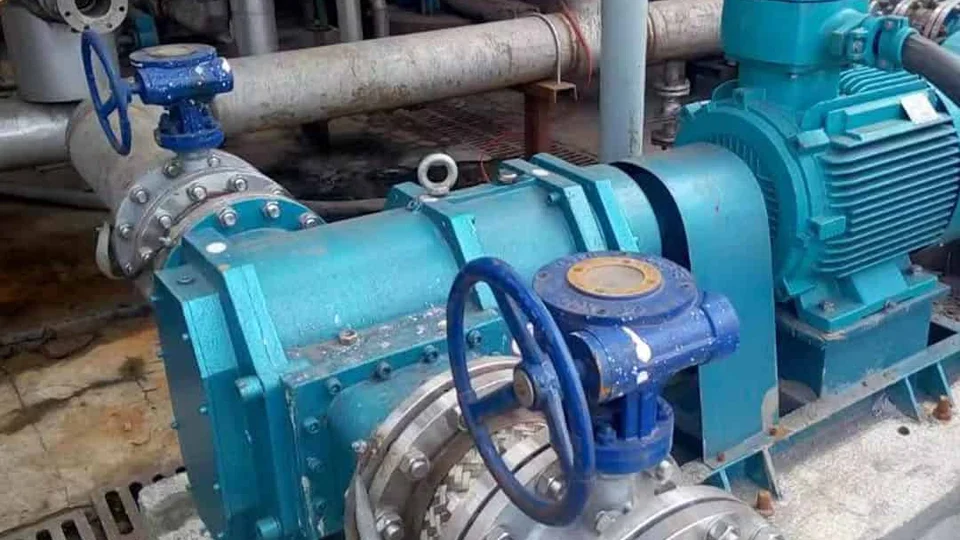
Ask for the removal space needed for the front cover, rotors, seals, and wear parts fitted to the quoted model. Then check it against nearby walls, pipes, cable trays, and other equipment. Leave room for the technician and tools as well as the component itself. A removable cover is of little help if a pipe blocks its removal.
Check each task separately. Front-cover access does not establish how a seal or bearing is serviced. Ask whether the job disturbs pipe connections, the coupling, or drive alignment, and what checks are required afterward. Keep drain and indicator openings visible and accessible in the installed layout.
3. Plan Around Your Site’s Maintenance Constraints
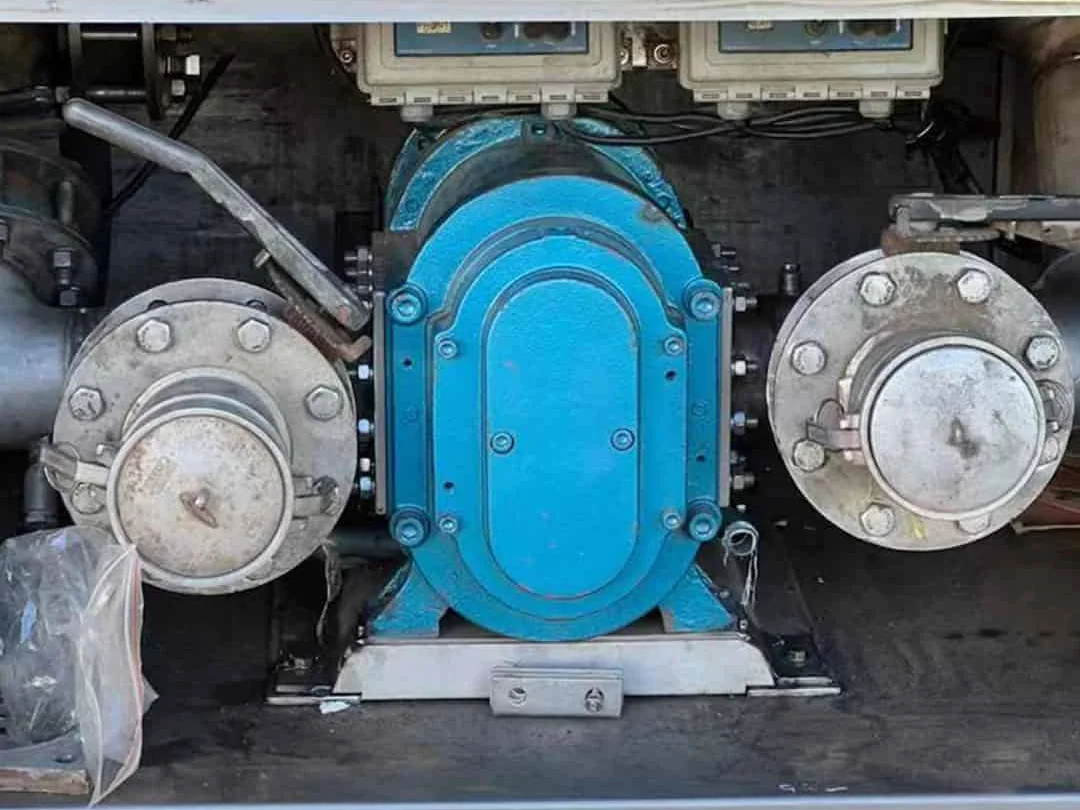
Start with the work your crew expects to do. On a slurry installation, that might be wear inspections and component replacement. On a chemical line, cleaning and safe handling may take much of the shutdown. For a truck-mounted pump, access may depend on the vehicle frame, hose storage, or other equipment around it. Describe those restrictions before the package layout is finalized.
Find out which tasks your crew can perform and which need supplier support or specialist tools. Check component weights and the lifting method rather than assuming parts can be handled manually. If a standby pump can keep the process running, include that in the downtime assessment instead of treating every service hour as lost production.
4. Compare Costs over the Same Operating Period
Choose a common period and expected operating hours for the comparison. Record the purchase and installation costs, energy use, planned inspections, replacement parts, labor, and any downtime cost that applies to your plant. Maintenance access affects part of that total; it does not by itself establish which pump has the lowest lifecycle cost.
For each planned service task, estimate how often it will occur and the parts, crew-hours, and downtime involved. If the interval is uncertain, compare more than one scenario rather than presenting a single total as a prediction. Keep spare-part availability separate from replacement time: a short repair still requires the right part to be on hand.