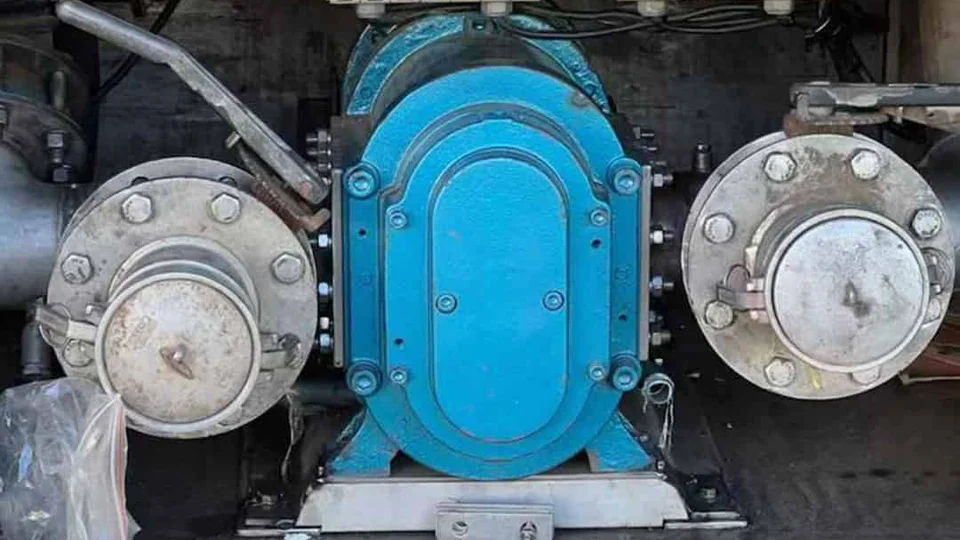
“The pump has lost flow. What should we check?” If production is waiting, you want an answer quickly. A close-up of a damaged part helps, but it does not show what the pump was handling or how it was installed.
Start with the information you already have. You do not need to finish every item below before contacting us. Say which readings are unavailable, and describe what you noticed before changing settings or replacing parts.
1. Tell Us Which Pump and What Changed
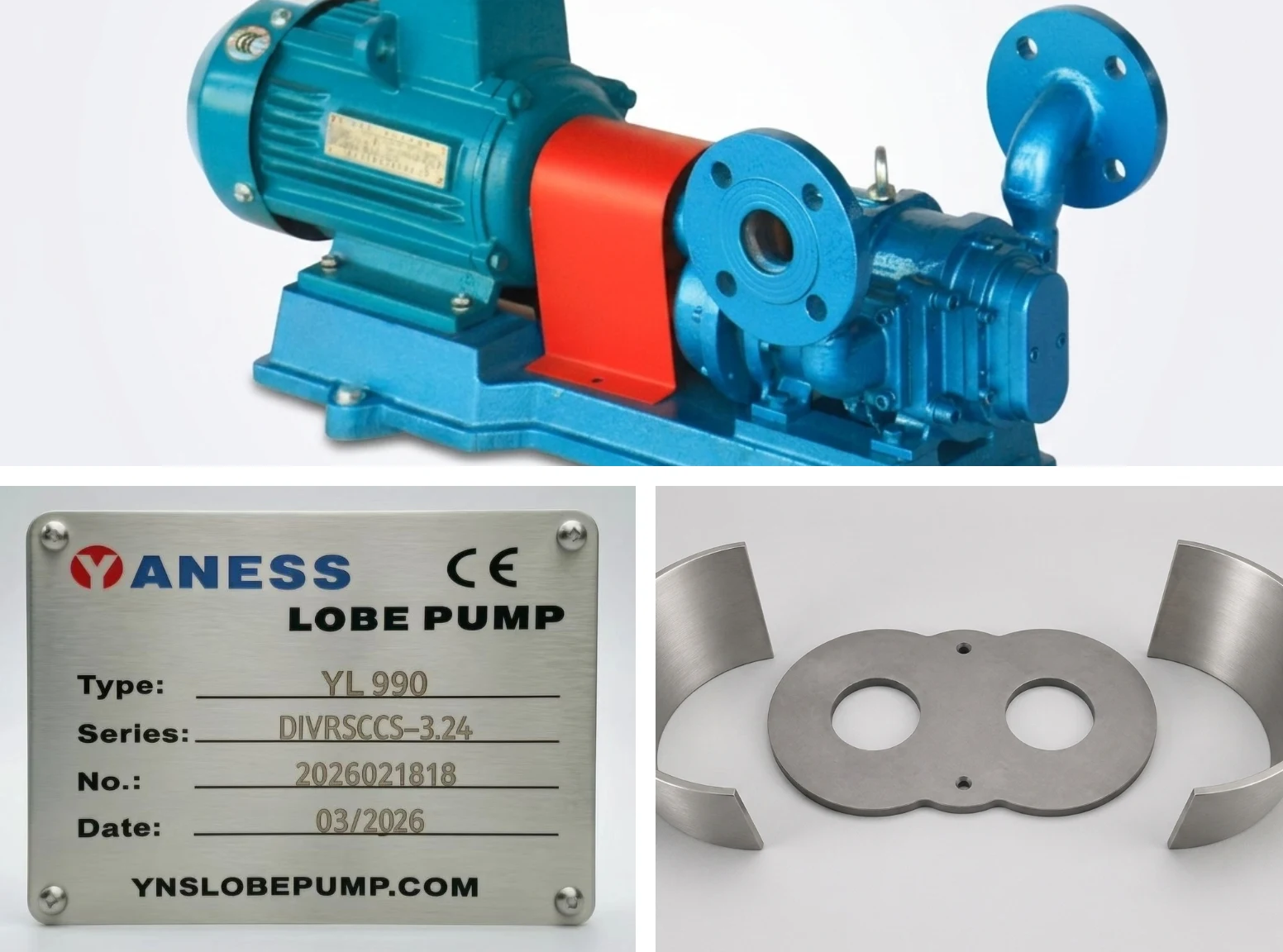
Send a readable photo of the pump nameplate, including the model and serial number. If the plate is missing or unreadable, send an overall photo of the pump and any order or service reference you have. Tell us what liquid it handles and whether this is a new installation or a pump that previously ran normally.
Be specific about the timing. Does flow fall as soon as the pump starts, or after it has been running for a while? Did the leak begin before or after a seal change? “It ran normally until the suction hose was replaced yesterday” gives us a useful starting point. Keep the observation separate from your suspected cause.
2. Take a Wide Photo Before the Close-Ups
Start far enough back to show the whole pump, drive, and connected pipework. Then photograph the inlet and outlet lines, including nearby valves, strainers, hose connections, and any bypass. If the pipework continues out of view, another photo or a simple sketch can show where it goes.
For leakage or damage, send a close-up and a second photo showing where it is on the pump. Where safe, photograph wet marks, deposits, or debris before cleaning them away. If parts have already been removed, photograph both the parts and their installed positions, if you have earlier photos.
3. Send the Readings You Have, with Units
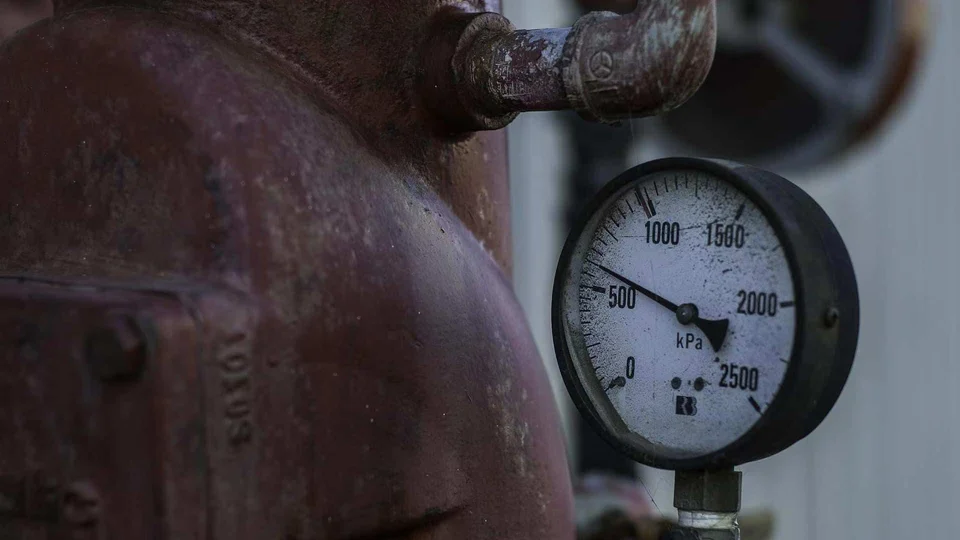
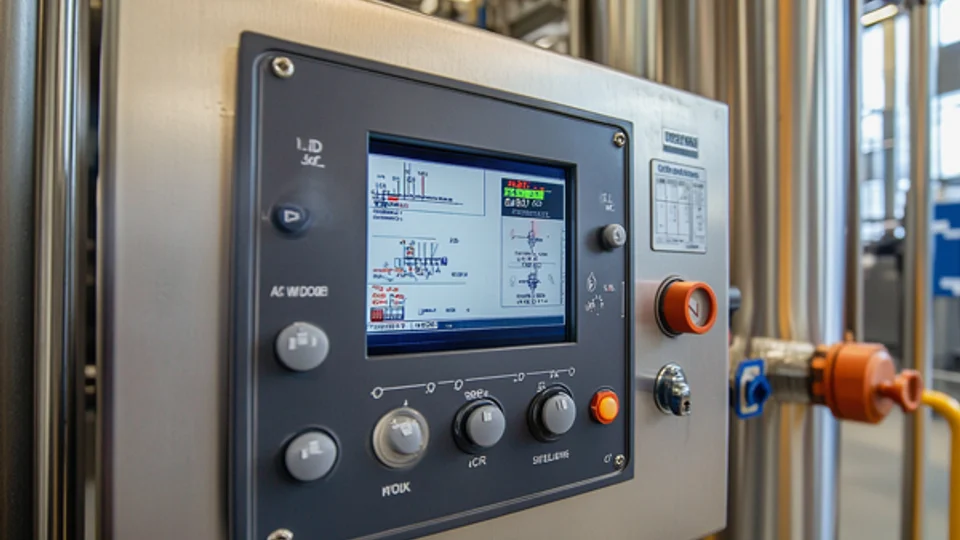
Useful readings include flow, inlet and outlet pressure, pump speed, motor current, and liquid temperature. Record them at the same operating condition where possible. A photo of the gauge or drive display can help; include when it was taken and whether the pump was starting, running steadily, or stopping.
If you have readings from normal operation, send those alongside the current values. Include units, say where each pressure was measured, and note whether an inlet reading is vacuum or pressure. If you only have VFD frequency, send it as frequency rather than calling it pump rpm.
Missing an instrument is not a reason to delay the request. Tell us what is measured and what is estimated. For unusual noise or vibration, an existing short video with sound may help, but do not restart the pump to make one.
4. Mention Recent Work, Even If It Seems Unrelated
Tell us about recent parts replacements, cleaning, changes to the liquid, or work on the piping and drive. Also mention a long shutdown or any known incident before the fault. A change that seems minor at the pump may still matter to the review.
A short dated note is enough: what was done, which parts or settings changed, and what happened afterward. Attach part numbers or service records if available. If the same fault has returned after a repair, say how long the pump ran before it returned.
5. Copy This into Your Support Email
Use the outline below and leave anything you do not know marked “not available.” Keep photos in their original resolution if possible, and use matching file names when you refer to them in the message.
Subject: Pump support — [model / serial number] — [main symptom]
Pump and liquid: [model, serial number, liquid, temperature, and any known viscosity or solids information]
Problem: [what happens, when it started, and whether the pump is stopped or still in service]
Readings: [normal and current flow, inlet/outlet pressure, speed or VFD frequency, and motor current; include units and measurement locations]
Recent changes: [maintenance, cleaning, parts, pipework, liquid, or operating settings; include dates if known]
Attachments: [nameplate, installation overview, inlet/outlet piping, fault close-ups, and any existing logs or video]
Contact: [name, site, and best way to reach you]
These details give us a starting point. We may still need another view of a part, a missing reading, or an on-site inspection before recommending a repair. You do not need to decide which part has failed before getting in touch.