An operator notices that the motor current is higher than last week. Is the pump developing a problem, or is today’s batch colder and harder to move? Without the operating conditions beside the reading, the trend leaves the maintenance team guessing.
Begin with the instruments and inspection records already available. Decide what change needs attention, who will review it, and what information that person needs. The checks below can support a manual log or an automated system; the available signals and functions depend on the installed equipment.
| Reading or observation | Context needed for comparison |
|---|---|
| Current, flow, and pressure | A common time reference, units, gauge locations, and whether the readings are measured or estimated. |
| Speed and liquid condition | Pump rpm or clearly labeled VFD frequency, liquid temperature, batch, and startup or steady-running state. |
| Vibration and temperature | The same measurement point and method, operating speed and load, and ambient temperature where relevant. |
| Leakage and oil checks | Date, inspection location, photos, recent service work, and any sample or laboratory report references. |
Keep readings from known normal operation as a baseline. Missing readings should remain marked as unavailable, not recorded as zero.
1. Start with the Problem You Need to Catch
Choose a specific concern from the installation history: repeated low flow, a leaking seal, an overheating drive, or an unexplained trip. Ask what information was missing last time. That is a better starting point for choosing instruments than collecting every available signal.
Establish the baseline while operation is known to be normal, and record the conditions. Keep startup, cleaning, and steady-running records identifiable rather than combining them into one unexplained trend. For a variable-speed pump or changing product, more than one normal operating condition may need a reference.
2. Read Current, Flow, and Pressure on the Same Timeline
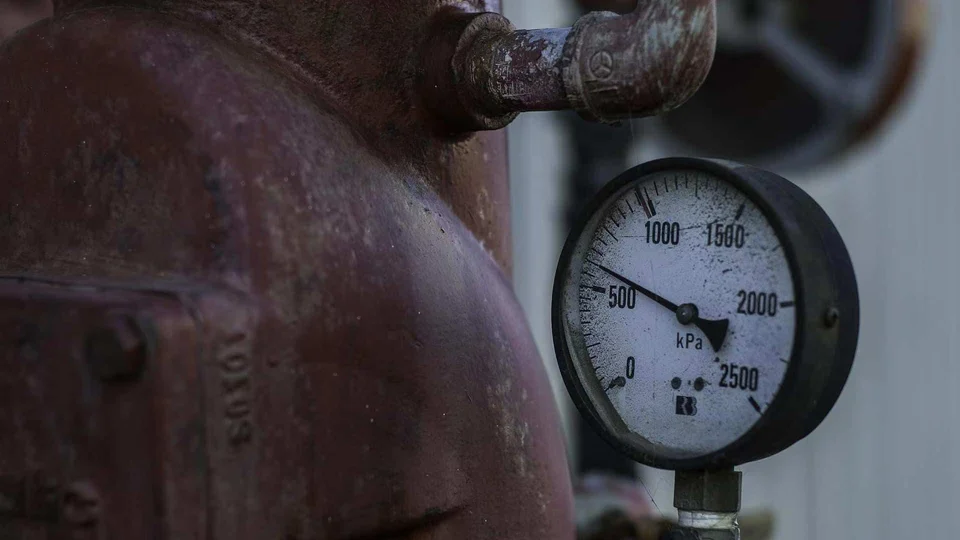
Check which readings the drive, control panel, and installed instruments actually provide. Keep their units, time stamps, and measurement locations. Label estimated values and distinguish pump rpm from VFD frequency. A screenshot is more useful when it includes the time scale and the period before the change.
When current changes, compare speed, liquid temperature, inlet and outlet pressures, and delivered flow at the same time. Add notes for batch changes, valve movements, cleaning, and maintenance. These comparisons help narrow the checks, but a particular combination of current and flow does not identify a failed component by itself.
For a flow complaint, see How to Tell Flow Loss from Wear vs Suction Restriction. Its measurement-point diagram shows which locations to identify in the record.
3. Keep Vibration and Temperature Measurements Repeatable
For vibration, identify the measurement location, sensor mounting or handheld method, units, and measurement settings. Compare records at similar speed and load. A value taken on a different point or with different settings may not be comparable. Investigating a change may require a qualified vibration specialist; an overall value alone does not identify the damaged part.
For temperature, record the location and method as well as the value. A housing-surface reading and an oil-temperature reading are different measurements. Include ambient conditions and how long the pump has been running, then check any change against the equipment instructions and operating history.
4. Include Leakage and Oil Inspection Records
Routine inspection still matters. Record where leakage appears, when it began, and any recent seal or process work. On pumps with designated drain or indicator openings, follow the instructions for that configuration and keep the observation point accessible. A photograph with its location identified is more useful than a note saying “seal leaking.”
Record oil-level checks and observed changes using the equipment’s inspection procedure. Appearance alone does not establish the oil’s condition or the cause of a change. Where oil sampling is part of the maintenance program, retain the sampling point, date, operating history, and analysis report so results can be compared.
5. Record What Changed before Planning the Repair
Save the normal and changed readings, the time the change began, and what was happening on the line. Check for a measurement problem where this can be done safely, and compare related signals. Follow the site’s response procedure if an alarm or operating limit has been reached; do not delay a required stop while collecting a better trend.
Use the findings to plan inspection and check the availability of relevant tools and spares. Confirm part identification against the pump model and serial number. An abnormal trend can justify investigation, but it is not enough on its own to decide that a rotor, seal, or bearing needs replacement.
For the photos and background information to send with a trend, use the pump support email outline. Include the original data export if available, with units and time stamps.
6. Agree Alarm Responses before Adding More Sensors
Have the responsible site and equipment specialists agree the warning criteria, stop conditions, and response instructions for the installation. Account for its operating states and applicable equipment limits. Do not copy thresholds from another pump or raise a limit merely to silence repeated alarms.
Confirm whether each function only displays a reading, records a trend, issues a warning, or participates in an approved shutdown function. Those are different capabilities. For any proposed package, agree the sensors, signal interfaces, data access, and controls scope explicitly. A dashboard does not replace required protective devices or establish remaining service life.