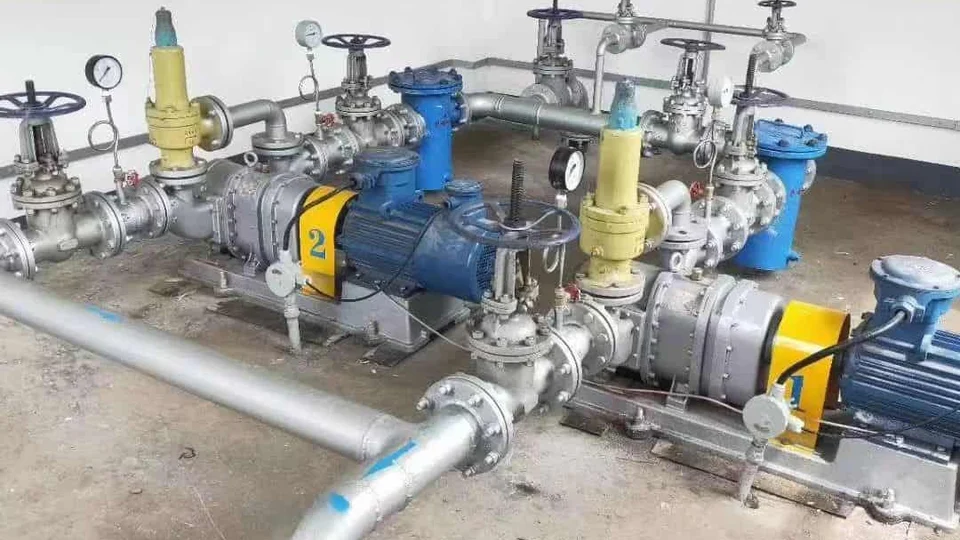
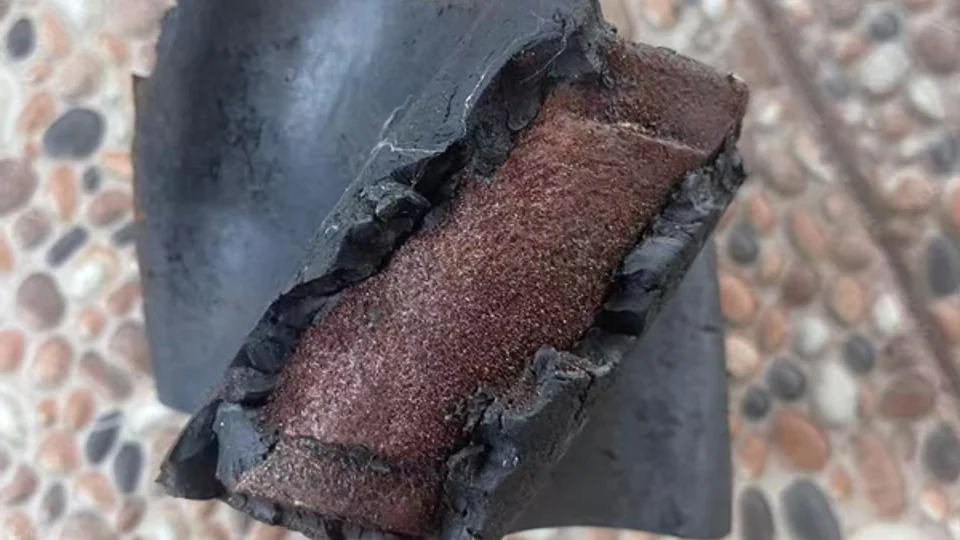
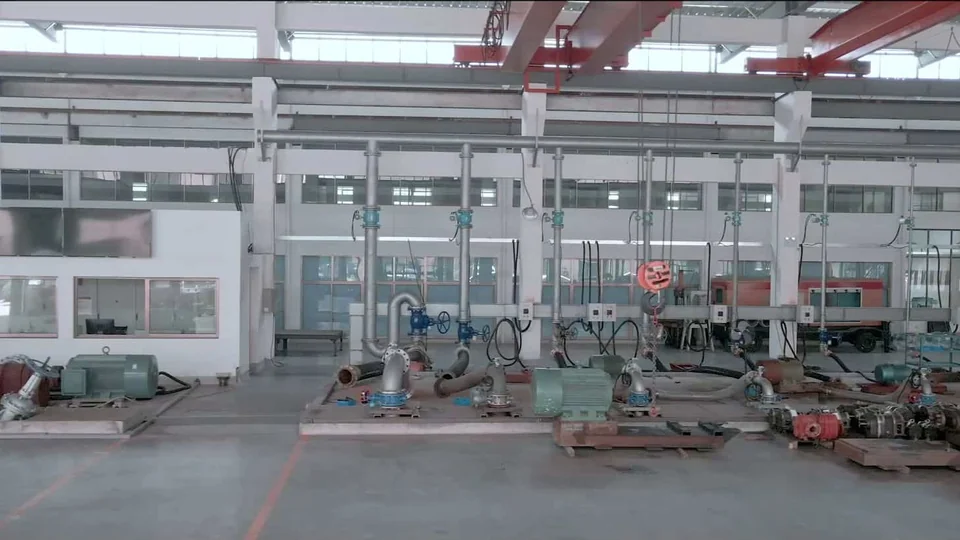
A request for an “oilfield pump” can mean a mud pump on a rig, a downhole lift system, or a pump unloading crude from a tank. The same fluid may pass through several pumping systems before it reaches a terminal.
Start with where the pump sits and what it must do. The overview below separates the main duties, then explains where a rotary lobe pump belongs in surface liquid handling.
| Stage or duty | Equipment to consider |
|---|---|
| Drilling-fluid circulation | Reciprocating mud pumps for the drill-string circuit; centrifugal pumps for suitable mud-system transfer and feed duties. |
| Well production / artificial lift | Electric submersible pumps (ESPs), sucker-rod pumps, progressing cavity pumps (PCPs), and other well-specific lift systems. |
| Surface processing and transfer | Centrifugal pumps and rotary positive-displacement pumps, including screw, gear and lobe designs, selected for the actual liquid. |
| Water and chemical injection | High-pressure centrifugal or reciprocating equipment for the specified duty; diaphragm or plunger metering pumps for chemical dosing. |
| Pipelines, terminals and tank unloading | Pipeline or booster pumps for the required head; transfer pumps matched to viscosity, suction conditions and loading arrangements. |
This is an equipment overview. The YANESS application links below concern surface liquid transfer.
1. Drilling: Main Mud Pumps and Support Pumps
The main drilling mud pump circulates drilling fluid through the drill string and back through the well annulus. Reciprocating triplex designs are an established option for this pressure duty. Centrifugal pumps also appear around the mud system, where they handle suitable transfer, mixing-feed or charging duties.
For a replacement, state which circuit the pump serves. Include flow, pressure, mud density and rheology, solids, inlet supply and wear history. A tank-transfer duty and the main drill-string circulation duty need separate selections.
Equipment references: NOV drilling-fluid pumps and the fluid-processing brochure (PDF).
2. Production: Oil Well Pumps and Artificial Lift
Artificial lift adds energy when a well cannot deliver the desired production by natural flow. Common pumping systems include:
- Electric submersible pump (ESP): multiple centrifugal stages driven by a downhole electric motor.
- Sucker-rod pump: a surface drive reciprocates a rod string connected to a downhole plunger-and-valve pump. The familiar pumpjack is part of this system.
- Progressing cavity pump (PCP): a rotating helical rotor works inside a stator. Depending on the system, the drive may be at the surface or downhole.
Gas lift is another artificial-lift method, but it lifts fluid by introducing gas rather than using one of these liquid pumps. Plunger lift is also a separate well-lift method; it should not be confused with a surface plunger injection pump.
SLB’s artificial-lift overview explains these systems. Selection starts with well geometry, production range, gas and solids, power, and intervention requirements.
3. Surface Processing: Identify the Liquid Stream
Once fluids reach the surface, separation and treatment create different streams: crude oil, water, emulsions and collected sludge. Identify the stream at the pump inlet rather than selecting from the label “oil and gas.”
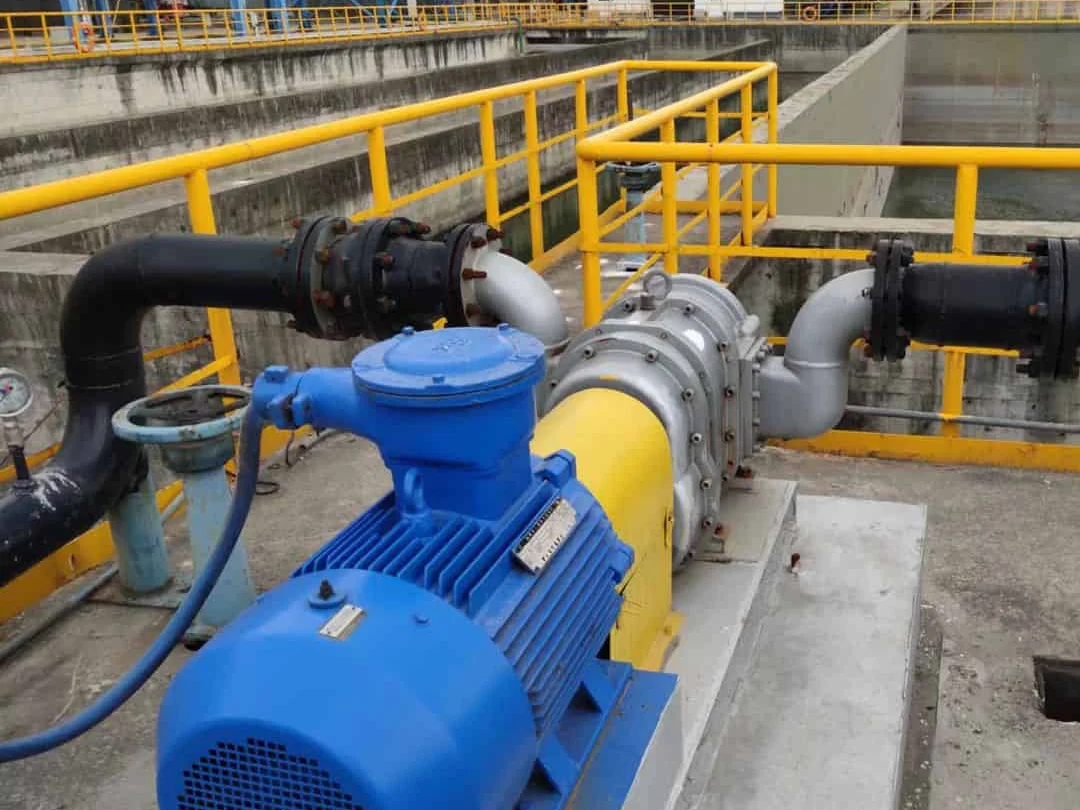
- Centrifugal pumps: candidates for many gathering, transfer, water and process duties. Check the operating curve, viscosity effects, inlet conditions and operating range.
- Screw and gear pumps: rotary positive-displacement options for suitable oil-transfer duties. Review the particular design’s lubrication, solids, gas and viscosity limits.
- Rotary lobe pumps: candidates for selected viscous-liquid, sludge-oil and tank-transfer duties. Confirm material compatibility, inlet filling, wear and differential pressure.
Baker Hughes’ centrifugal-pump applications and SLB’s gear, screw and centrifugal transfer options illustrate why the duty comes before the pump name.
An unseparated oil, gas and water stream needs its own multiphase review. Gas content, inlet pressure and changes in composition matter; the ability to pass occasional air does not establish continuous multiphase capability.
Sulzer’s multiphase pumping overview describes dedicated equipment for transporting these mixed streams.
4. Injection: Water, Dosing and Stimulation
Injection pressure alone does not describe the job. State whether the system supplies bulk water, a controlled chemical dose or a stimulation service:
- Water injection: pressure, water quality, corrosion and abrasive particles drive the equipment review. Multistage centrifugal designs are used in this service; other duties may call for reciprocating equipment.
- Chemical dosing: the required dose, controllable flow range, injection pressure and containment requirements guide diaphragm or plunger metering-pump selection.
- Stimulation or fracturing: requires purpose-designed high-pressure equipment and a separate project specification.
Equipment examples: Sulzer water-injection pumps and LEWA chemical-injection packages.
5. Transport: Pipeline Duty or Tank Unloading?
A pipeline booster and a tank-unloading pump may move the same oil under very different conditions. Pipeline duty can be dominated by continuous flow and required head. Unloading can be dominated by a long suction hose, changing tank level, cold oil and the final stage of emptying.
Calculate the system losses at both startup and normal temperature. Include static elevation, inlet pressure, hose or pipe dimensions, strainers and the receiving-system pressure. For variable duties, compare the operating range rather than one nominal flow point.
For surface-transfer planning, see crude and sludge-oil transfer, oil, gas and marine applications, and the cold-oil starting-torque article.
6. Where a Rotary Lobe Pump Fits
YANESS reviews rotary lobe pumps for selected crude and sludge-oil transfer, tank circulation, loading and unloading. Viscosity, suspended solids, reversing the transfer direction and access for wet-end service are useful reasons to include one in the comparison.
Check the complete configuration. Oil composition and cleaning exposure affect elastomers and seals; grit affects wear; cold starts affect inlet filling and drive torque. Gas, abrasive solids and dry-running exposure each need stated limits for the proposed pump.
Review materials and compatibility, viscosity and selection, and dry-run conditions. Use the pump-type comparisons when the equipment family is still open.
7. What to Send for a Surface-Transfer Review
- Duty: process stage, inlet and destination, continuous or intermittent operation, and required flow range.
- Fluid: oil type or composition, density, water fraction, free gas, solids size and concentration, and corrosive constituents.
- Temperature and viscosity: startup, normal operation and shutdown conditions; include heating arrangements and available measurements.
- Pressure and piping: suction and discharge pressures, elevations, pipe or hose dimensions, valves and strainers.
- Site and package: power, controls, hazardous-area requirements where applicable, material documentation, maintenance access and required testing.
If replacing a pump, include its nameplate, operating readings, installation photos and the reason for replacement. These details help distinguish a pump-type mismatch from an inlet restriction, wear problem or change in the fluid.