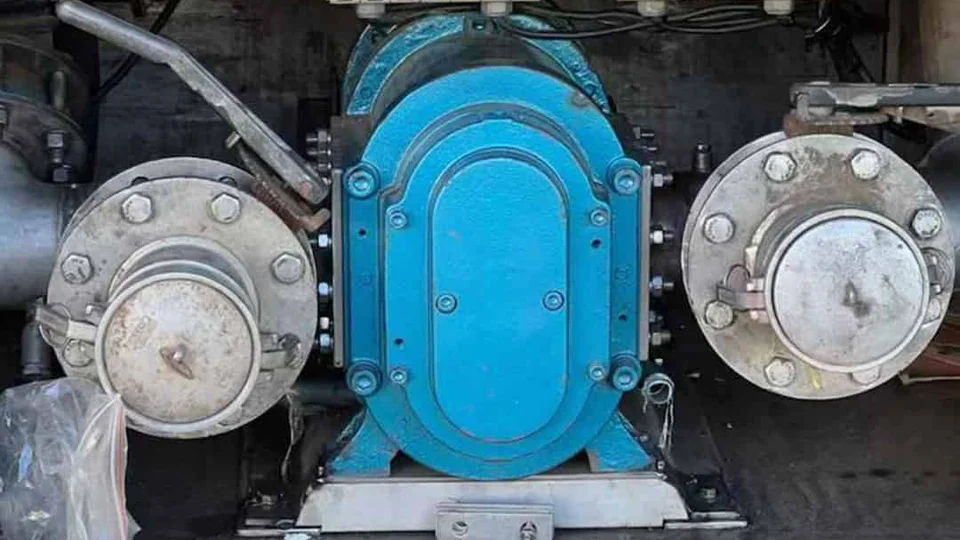
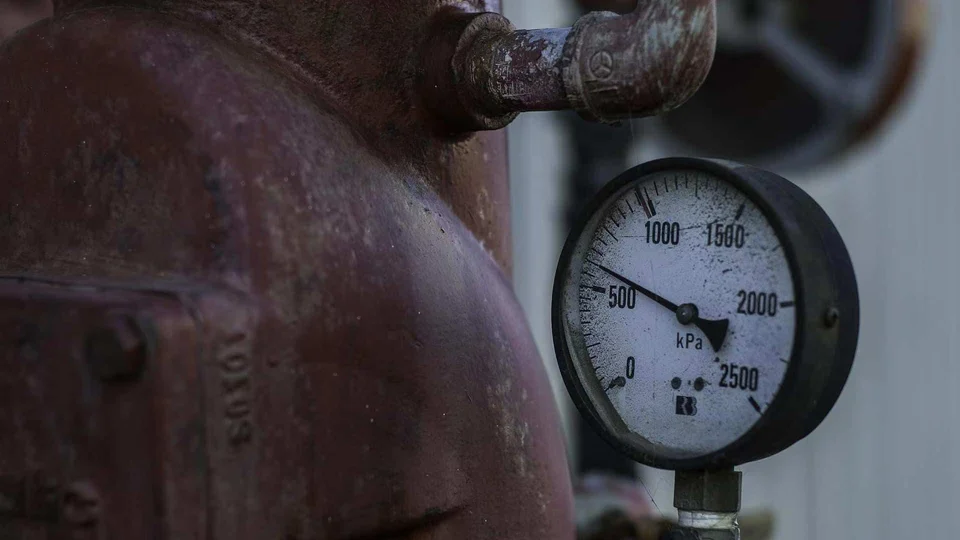
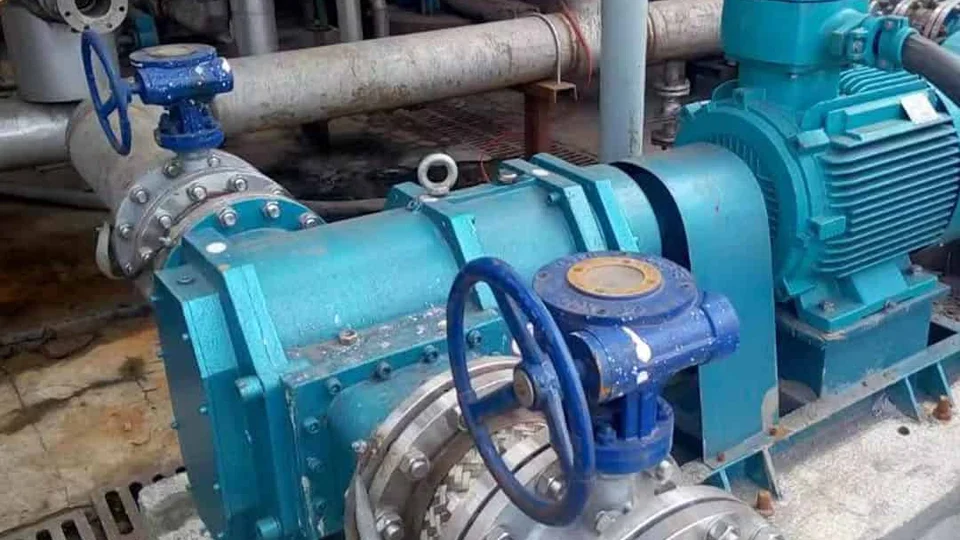
“We need two replacement rotors. Will these fit?” A photo is a useful start, but similar-looking parts may differ in material, dimensions, or mounting details. The pump’s identification and earlier order records help narrow down what was fitted.
Send the information you have, even if you do not know the part name. You do not need to dismantle the pump just to make an enquiry. Photos and dimensions support identification; they do not, by themselves, confirm compatibility or interchangeability.
1. Photograph the Nameplate and Serial Number First
Photograph the complete pump nameplate so every field is readable. Include any separate identification marks and an earlier order number or parts list if available. A motor nameplate identifies the motor, so label it separately from the pump plate.
Take the photo square to the plate with enough light to avoid blur and reflections. If it is unreadable or missing, send an overall pump photo and any earlier invoice, packing label, or service record. Say if the pump has been modified or its parts changed since that record was issued.
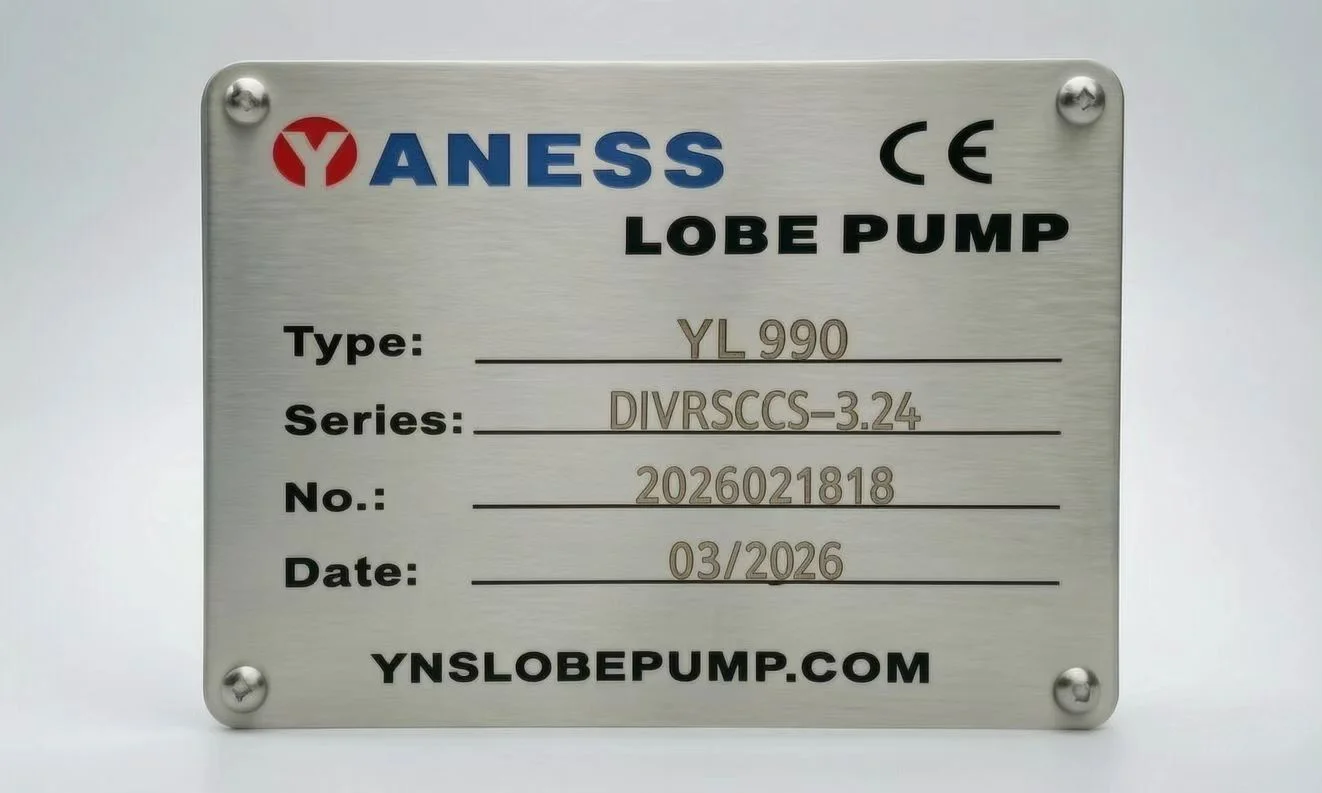
2. Show the Part, Its Markings, and Where It Fits
If the part is accessible safely, send an overall view showing its location and a close-up of any markings. For a part already removed during maintenance, photograph both sides, mounting features, and any visible number or size marking. Label photos so the part can be matched to its position.
For a rotor, include the hub and both end faces as well as the lobe surface. For a seal or small component, keep related pieces together and include their markings. If dimensions are requested, state the units and measurement locations. A worn or deformed part may not retain its original dimensions, so do not use a photo scale or one measurement as confirmation of fit.
3. Confirm the Material as Well as the Shape
Include the current liquid, concentration where relevant, temperature, cleaning chemicals, and solids. Say whether any of these have changed since the pump was supplied. The original order may identify the fitted material, but the replacement still needs to be checked against the current process.
If a rotor, O-ring, gasket, or seal has swollen, cracked, or failed earlier than expected, send photos and its service history. Ask whether a material review is needed. Appearance or color alone does not establish the compound, and changing materials without confirming the configuration can introduce a different mismatch.
4. Add Installation Details for Repeated Failures
For a routine stock order, pump and part identification may be the main information needed. If the same component keeps failing, add when it was fitted, how long it ran, what failed, and any recent changes. Include an overall view of the connected pipework and the available operating records.
The pump failure evidence guide explains which readings and background details help with that investigation. You can request identification of the spare while the cause of failure is still being reviewed.
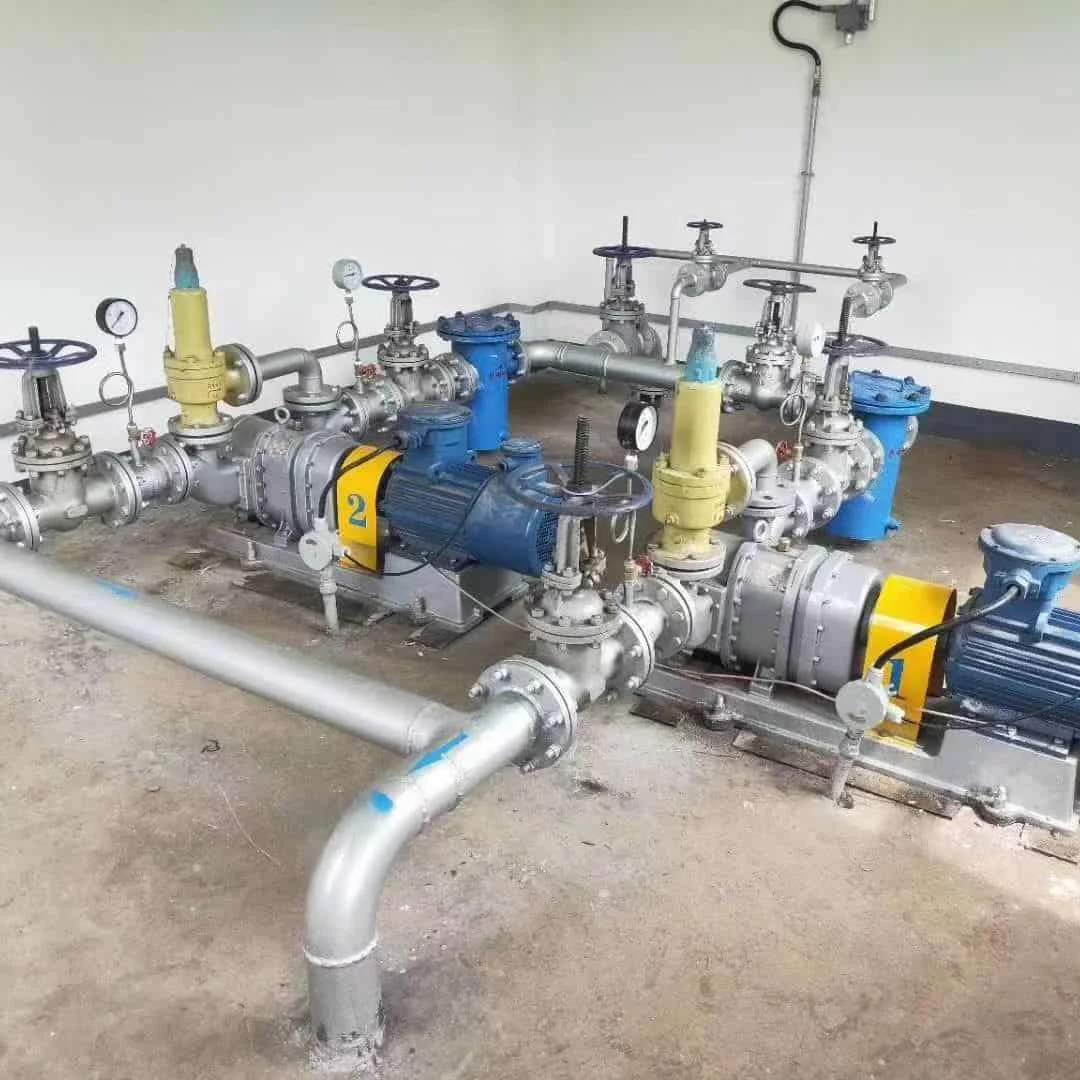
5. Copy This into Your Spare-Parts Enquiry
Use the outline below and mark unknown details as unavailable. If you do not know the part name, describe its location and refer to the attached photo. State whether the quantity means individual components, pairs, or complete sets.
Subject: Spare parts — [pump model / serial number]
Pump identification: [model, serial number, and earlier order reference if available]
Parts and quantity: [part name or photo reference, part number if known, and number of individual parts or sets]
Current process: [liquid, temperature, cleaning conditions, and any changes since supply]
Reason for enquiry: [stock replenishment, planned service, or failure; include timing and symptoms if relevant]
Attachments: [pump nameplate, part markings and views, and existing parts list or drawing]
Delivery: [destination country and city, required arrival date, and whether the pump is stopped]
Contact: [name, company, and reply details]
The required arrival date helps explain the urgency; it is not a confirmed delivery commitment. Part identification, availability, and shipping time still need to be confirmed. Send the records you have so the enquiry can begin without guessing the missing details.